



Blog
What is the general process for customizing a backpack?

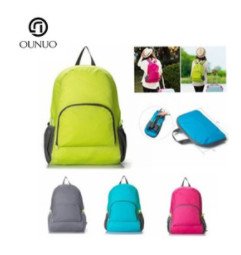
The Custom Backpack Production Process: Key Steps and Considerations
Customizing a backpack involves a structured workflow that ensures the final product meets design, functionality, and quality standards. Below is a detailed breakdown of the typical stages involved in bringing a custom backpack from concept to reality.
Initial Design and Conceptualization
The first phase focuses on translating ideas into actionable designs. This stage requires collaboration between clients and manufacturers to define the backpack’s purpose, aesthetics, and technical specifications.
Client Input and Design Brief
- Clients may provide sketches, reference images, or detailed descriptions of their vision. Manufacturers use this information to create a design brief outlining dimensions, compartments, materials, and branding elements like logos or patches.
- For example, a client might request a waterproof backpack with a dedicated laptop sleeve and reflective strips for nighttime visibility. The design brief would specify these features alongside preferred colors and fabric types.
Material Selection and Prototyping
- Choosing materials is critical, as they impact durability, weight, and cost. Common options include nylon, polyester, canvas, or recycled fabrics, each with pros and cons.
- Manufacturers often create prototypes using sample materials to test how the design holds up under stress, such as weight distribution or water resistance. This step helps identify potential flaws before full-scale production.
Sampling and Approval
Once the design is finalized, manufacturers produce a sample backpack to validate the concept and make adjustments based on feedback.
Creating the Sample
- Skilled technicians use the approved design to cut and assemble the backpack using the selected materials. This process involves precise stitching, attaching hardware like zippers or buckles, and incorporating any custom features (e.g., hidden pockets or modular inserts).
- The sample is then inspected for structural integrity, comfort, and alignment with the original design. For instance, if the client requested adjustable straps, the sample is tested to ensure they function smoothly and distribute weight evenly.
Client Review and Revisions
- The sample is sent to the client for evaluation. Feedback might address minor tweaks, such as adjusting the size of a compartment or refining the placement of a logo.
- Manufacturers may produce multiple iterations until the client is satisfied. This iterative process ensures the final product aligns perfectly with expectations.
Mass Production and Quality Control
After sample approval, the focus shifts to producing the backpack at scale while maintaining consistency and quality.
Setting Up Production Lines
- Manufacturers allocate resources, including machinery, labor, and materials, to streamline production. Automated cutting machines and assembly lines are often used to improve efficiency and reduce errors.
- For example, a large order might require dividing tasks among specialized teams: one group cuts fabric, another sews components, and a third adds finishing touches like labels or hardware.
Rigorous Quality Checks
- Each backpack undergoes inspections at various stages. Common checks include verifying stitch density, ensuring zippers glide smoothly, and testing water resistance if applicable.
- Random sampling is also conducted, where a percentage of finished backpacks are pulled for detailed evaluation. Any defects trigger a review of the production process to prevent recurrence.
Final Delivery and Packaging
The last phase involves preparing the backpacks for shipment and ensuring they reach the client in pristine condition.
Packaging Customization
- Clients may request specific packaging, such as branded boxes, dust bags, or eco-friendly materials. Manufacturers accommodate these preferences to enhance the unboxing experience.
- For instance, a luxury backpack might be packaged in a reusable cotton bag with a printed care guide, while a bulk order for schools could use plain, recyclable cardboard boxes.
Logistics and Timelines
- Delivery schedules depend on order size and complexity. Manufacturers provide estimated timelines during the quoting phase and update clients on progress.
- Shipping methods vary, from domestic couriers for small orders to sea freight for international bulk deliveries. Clients are often given tracking information to monitor their shipment’s journey.
By following these structured steps, manufacturers ensure that custom backpacks are not only visually appealing but also functional, durable, and tailored to the client’s needs. Each phase—from design to delivery—requires attention to detail to create a product that stands out in both form and performance.

