



Blog
Selection indicators for LED light pen standby time

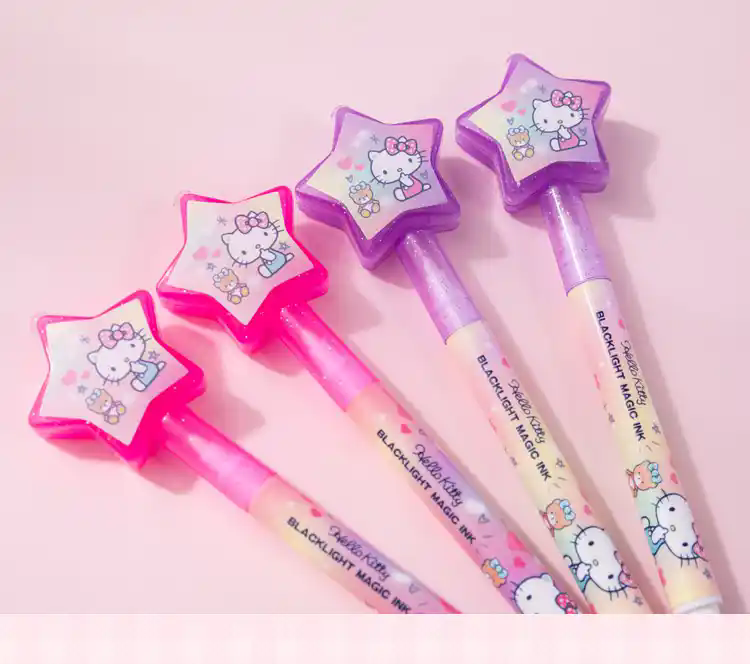
Key Considerations for Evaluating Standby Time in LED Light Pens: Power Efficiency and Practical Usage
Standby time, or the duration an LED light pen remains operational without active use, is a critical factor for users who rely on these tools for emergency situations, travel, or infrequent but essential tasks. A longer standby period ensures the pen is ready when needed, reducing the risk of a dead battery during critical moments. However, achieving extended standby time involves trade-offs between battery capacity, power management, and design constraints. Below, we explore the essential metrics and features to assess when prioritizing standby performance.
Battery Capacity and Chemistry: Energy Density vs. Longevity
The type and size of the battery directly influence how long an LED pen can remain in standby mode. Lithium-ion (Li-ion) and lithium-polymer (LiPo) batteries are common choices due to their high energy density, allowing them to store more power in a compact form. These chemistries also exhibit low self-discharge rates, meaning they lose minimal charge when not in use—a key advantage for standby performance.
Coin-cell batteries, often used in ultra-compact pens, have lower capacity but can still provide adequate standby time for devices with minimal power draw. Larger AA or AAA batteries offer higher capacity but increase the pen’s size and weight, which may not suit users prioritizing portability. When comparing options, consider the balance between battery size and the pen’s intended use case, such as whether it will be carried daily or stored in an emergency kit.
Power Management Circuits: Minimizing Idle Consumption
Even when inactive, LED pens consume a small amount of power to maintain internal functions like memory retention or sensor readiness. Advanced power management circuits are designed to reduce this idle draw to negligible levels, extending standby time significantly. Features like automatic sleep modes, which deactivate the pen after a set period of inactivity, further conserve energy without requiring user intervention.
Some pens incorporate low-power microcontrollers or dedicated standby chips that optimize energy usage during idle periods. These components monitor battery voltage and adjust power allocation dynamically, ensuring the pen remains functional for months or even years on a single charge. Users should look for models with clearly documented standby current ratings, typically measured in microamperes (µA), to gauge efficiency.
LED Driver Efficiency: Reducing Background Power Loss
The circuitry responsible for regulating the LED’s brightness and operation also impacts standby time. High-efficiency drivers minimize power waste by converting battery voltage precisely to the levels needed by the LED, reducing heat generation and energy loss. During standby, these drivers can enter a low-power state, drawing minimal current while remaining ready to activate instantly.
Some designs use constant-current drivers that maintain stable output regardless of battery voltage fluctuations, preventing excessive drain as the battery depletes. Others employ pulse-width modulation (PWM) to dim the LED during standby, further cutting power consumption. The choice of driver technology depends on the pen’s complexity and the manufacturer’s focus on energy conservation.
Environmental Factors: Temperature and Storage Conditions
External conditions play a role in how long an LED pen retains its charge during standby. Extreme temperatures, both hot and cold, can accelerate battery degradation or increase self-discharge rates, shortening standby time. For example, storing a pen in a hot car or a freezing garage may reduce its effective idle duration compared to room-temperature storage.
Humidity and exposure to moisture can also affect battery performance over time. Pens with sealed or water-resistant designs are better suited for long-term storage in varied environments, as they prevent corrosion or internal damage that could lead to higher idle power consumption. Users planning to store their pens for extended periods should consider these factors when evaluating standby claims.
By prioritizing high-efficiency batteries, advanced power management, and robust driver circuits, manufacturers can create LED pens with impressive standby times that remain reliable over months of inactivity. Users should assess their typical usage patterns—such as whether the pen will be used daily or reserved for emergencies—to determine the ideal balance of standby duration, battery replacement frequency, and overall device size. Testing the pen’s standby performance in real-world conditions, like leaving it unused for several weeks, provides practical insight into its long-term reliability.


